


A Guide to Coping Stones: Types, Uses and Benefits
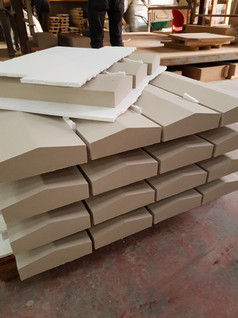
When it comes to protecting and finishing the top of a wall, chimney or pier, coping stones are one of the most important, yet often overlooked, elements of any build. Not only do they serve a vital practical purpose, but they also add a refined, finished look to brickwork and stonework alike. In this guide, we take a closer look at what coping stones are, the types available, and why they're such a worthwhile investment for your project.
What Are Coping Stones?
Coping stones sit along the top of a wall, chimney stack or pier, forming a protective cap that shields the structure beneath from the elements. Without this protective layer, rainwater can penetrate the brickwork, leading to erosion, staining and, over time, structural damage. A well-fitted coping stone directs water away from the wall face, keeping the structure sound for years to come.
Types of Coping Stones
There's no one-size-fits-all when it comes to coping stones, and we manufacture a wide range of styles to suit different projects. Saddleback copings feature a pitched design that sheds water efficiently from both sides, making them a popular choice for garden walls and boundary walls. Flat copings offer a clean, contemporary finish and are often used on lower walls or where a subtler profile is preferred. For chimneys and piers, we also produce bespoke shapes designed to complement the existing architecture, ensuring a seamless match with period or listed properties.
The Benefits of Choosing Quality Coping Stones
Beyond their protective function, coping stones bring genuine aesthetic value to a property. A well-chosen coping stone can elevate the appearance of a garden wall, entrance pillar or chimney, adding a sense of craftsmanship and permanence. Our cast stone copings are manufactured to a high specification, meaning they're built to withstand the British weather while retaining their appearance for decades. They're also a cost-effective alternative to natural stone, offering the same timeless look without the higher price tag or lead times often associated with quarried stone.
Choosing the Right Coping Stone for Your Project
Selecting the right coping stone depends on several factors, including the style of the property, the width of the wall, and the level of exposure to wind and rain. We always recommend discussing your project with our team before making a decision, as the right profile and finish can make a real difference to both durability and appearance. Whether you're restoring a period property in Shrewsbury or finishing a new-build boundary wall, we can guide you towards the best solution for your needs.
Get In Touch
If you're planning a project and would like expert advice on coping stones, we'd love to hear from you. Give us a call on 01743 861111, email info@shropshirebrickandstone.com, or get in touch via our website to discuss your requirements and request a quote.


Comments