


How to Choose the Right Cast Stone Product for Your Project: A Practical 2026 Guide

Cast stone remains one of the most versatile and reliable materials in modern construction. Whether you are restoring a period property, building a new home, or managing a large commercial development, selecting the right cast stone product can make a significant difference to both the appearance and long-term performance of your project.
In 2026, with greater emphasis on sustainability, precision manufacturing and architectural detail, choosing wisely is more important than ever. In this practical guide, we explore what you need to consider when selecting cast stone and how working with an experienced manufacturer such as Shropshire Brick & Stone can help ensure your project achieves both structural integrity and visual excellence.
Start with the Purpose of the Stonework
Before choosing any cast stone product, it is essential to define its function within the build. Cast stone can be used in a wide variety of applications, including:
● Window cills and heads
● Lintels and structural supports
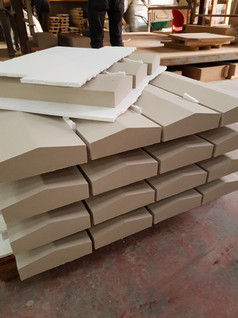
● Coping stones and pier caps
● String courses and decorative banding
● Porticos and bespoke architectural features
Each of these performs a different role. Decorative features prioritise precision detailing and finish, whereas structural components must meet specific strength and load-bearing requirements. External elements must also withstand ongoing exposure to Britain’s often harsh weather conditions.
Discussing these requirements early with a specialist such as Shropshire Brick & Stone ensures the correct specification is selected, avoiding complications later in the project.
Understanding Manufacturing Methods: Wet Cast vs Dry Cast
Not all cast stone is created in the same way. The two principal manufacturing methods, wet cast and dry cast, each offer their own distinct benefits.
Wet cast stone uses a higher water content mix poured into moulds. This process produces a smooth, refined finish and allows for intricate detailing. It is particularly suited to bespoke architectural elements and projects where aesthetic precision is paramount.
Dry cast stone, by contrast, uses a semi-dry mixture compacted under pressure. This creates a dense and robust unit, often ideal for larger structural components.
Choosing between the two depends on your project’s requirements. Factors such as load-bearing demands, finish preference, and design complexity will influence the decision. An experienced manufacturer like Shropshire Brick & Stone can advise on the most appropriate method to ensure performance and visual consistency.
Colour Matching and Architectural Harmony
One of cast stone’s greatest advantages is consistency in colour and texture. However, selecting the right tone remains a critical step.
The chosen shade should:
● Complement the surrounding brickwork
● Suit the property’s architectural style
● Remain visually consistent across all features
For example, a warm buff tone may enhance a traditional countryside home, while cooler greys often work better in contemporary designs. The surface finish also plays an important role. A smooth, crisp appearance may align with modern architecture, whereas a lightly textured finish can replicate the character of natural stone in heritage settings.
Shropshire Brick & Stone offers a carefully considered range of colours developed to work harmoniously with common UK brick types. Their experience in colour matching ensures that cast stone features integrate seamlessly into the overall design rather than appearing as an afterthought.
Durability and Weather Resistance
The British climate demands resilience. Cast stone products must withstand heavy rainfall, frost cycles and temperature variation without deteriorating.
When assessing quality, it is important to consider:
● Strength and load capacity
● Frost resistance
● Water absorption levels
● Long-term colour stability
Inferior materials may crack or degrade over time, leading to costly repairs. High-quality cast stone manufactured under controlled conditions offers reliable durability and long service life.
Shropshire Brick & Stone places strong emphasis on precision manufacturing and quality control, ensuring each unit meets performance expectations. This commitment to durability protects both the appearance and structural integrity of the finished build.
Standard Units or Bespoke Solutions?
Many projects can be completed using standard cast stone components. These are efficient, cost-effective and suitable for straightforward applications.
However, certain builds demand something more tailored. Bespoke cast stone may be required when:
● Restoring period or listed properties
● Matching existing architectural detailing
● Creating distinctive contemporary designs
● Working with unusual dimensions or profiles
Bespoke manufacturing allows complete flexibility while maintaining technical performance. Shropshire Brick & Stone specialise in producing custom-made units designed to precise specifications. From initial drawings to final production, their collaborative approach ensures every detail is carefully considered.
This level of craftsmanship can transform a building, adding character and individuality that standard components alone cannot achieve.
Sustainability in 2026
Environmental responsibility continues to shape construction decisions. Clients are increasingly aware of carbon impact, sourcing practices and material longevity.
Cast stone offers several sustainability advantages:
● It is typically manufactured locally, reducing transportation emissions.
● Its durability minimises the need for replacement.
● Controlled production reduces waste compared to quarried stone.
Choosing a UK-based manufacturer such as Shropshire Brick & Stone supports regional supply chains while reducing reliance on imported materials. In a climate where sustainability is central to planning and development, responsible sourcing adds measurable value.
Installation Matters
Even the highest quality cast stone requires correct installation to perform as intended. Practical considerations should never be overlooked.
Before finalising your order, ensure:
● Units are appropriately sized for safe handling.
● Structural elements have suitable support and fixing methods.
● Installation guidance is clearly provided.
Early communication between the manufacturer and contractor can prevent unnecessary delays or on-site adjustments. Shropshire Brick & Stone work closely with builders to provide practical advice, helping projects run smoothly from delivery through to completion.
Balancing Budget and Long-Term Value
While cost is always a factor, selecting cast stone purely on price can be a false economy. Lower-quality materials may compromise appearance, structural reliability or longevity.
Instead, consider the broader value the material adds to your project:
● Enhanced kerb appeal
● Improved durability
● Reduced maintenance requirements
● Greater property value over time
Investing in well-manufactured cast stone from a trusted specialist ensures consistency and long-term performance. Shropshire Brick & Stone combine craftsmanship with technical understanding, offering products that represent genuine value rather than short-term savings.
The Importance of Early Collaboration
One of the most common mistakes in specifying cast stone is involving the manufacturer too late. Early engagement enables clearer planning, accurate pricing, and better integration with the overall design.
By consulting with Shropshire Brick & Stone during the design phase, clients benefit from:
● Technical expertise and specification guidance
● Advice on colour and finish selection
● Realistic lead times
● Support throughout production and delivery
This collaborative approach reduces risk and ensures the finished stonework enhances the project rather than creating complications.
Making the Right Choice
Choosing the right cast stone product in 2026 requires more than selecting a colour from a brochure. It involves understanding function, durability, manufacturing methods and installation requirements.
By carefully considering things such as the intended purpose of each element and its sustainability and longevity, you can ensure your project benefits from both aesthetic quality and structural reliability.
If you are planning a project and would like expert guidance on selecting the right cast stone products, the team at Shropshire Brick & Stone are always happy to help. Get in touch to discuss your specifications or request a quotation.


Comments